Verified13.5080° S · 71.9820° W · 3700 m
Sacsayhuamán
Saqsaywaman · Fortress of Sacsayhuamán
Inca Imperial, 15th century; possibly Killke antecedents·Inca·🇵🇪 Cusco Region, Peru
About
About Sacsayhuamán
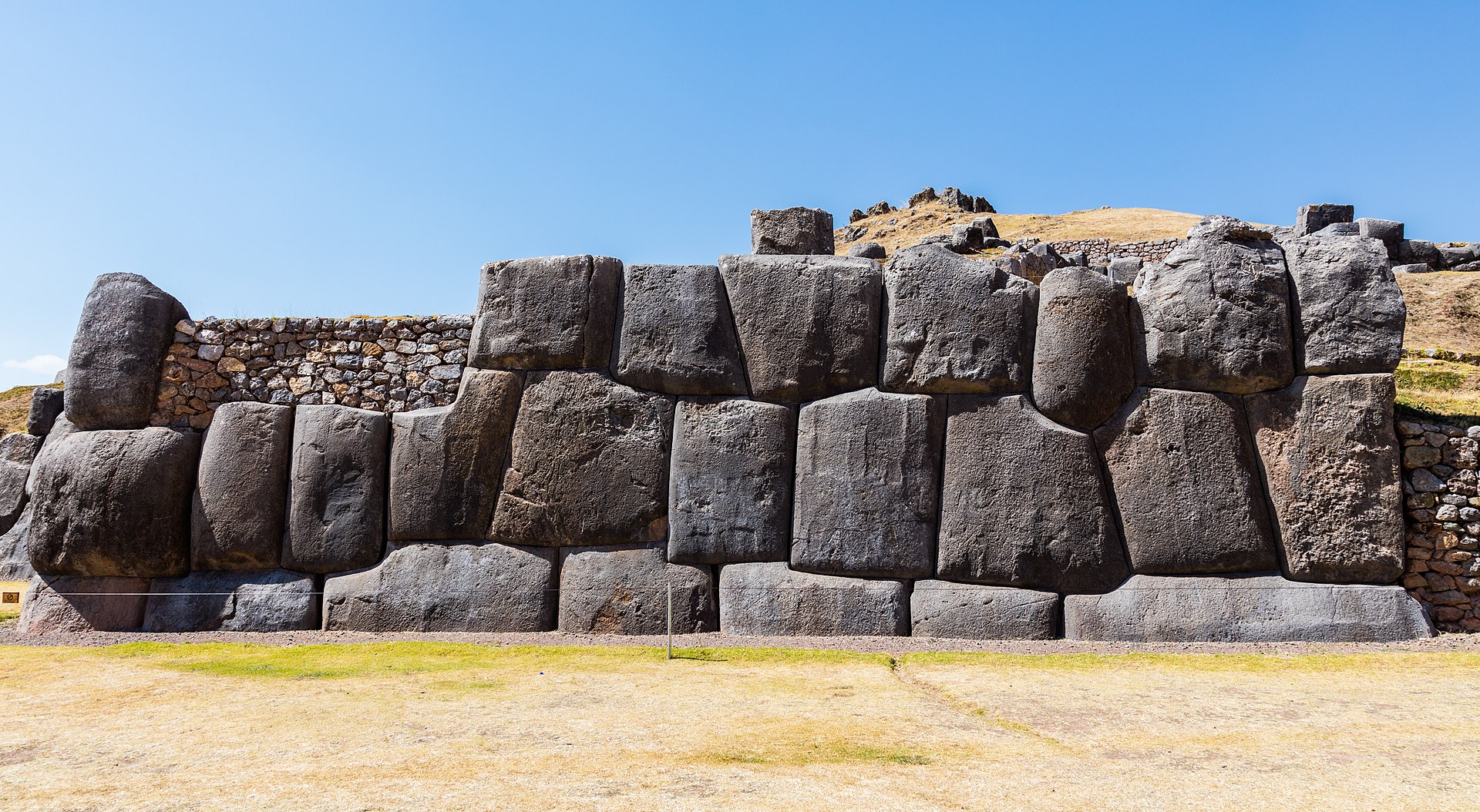
Cyclopean fortress-temple complex 2 km northwest of Cusco with three zigzagging dry-stone ramparts of limestone blocks up to 120 tonnes and 9 m high, fitted without mortar with sub-millimeter precision.
Open questions
Mysteries & theories
Mysteries
- 01How 100+ tonne limestone blocks were precisely shaped and lifted
- 02Zigzag wall geometry – defensive vs symbolic / lightning motif
Theories
- 01Inca rope, ramp and hammerstone techniques
- 02Ceremonial representation of puma's teeth (Cusco as puma city)
Theories are interpretations, not findings. The seal above tells you how much scholarly weight the place carries.
History
How it came to be
- Built
- c.1438–1500 under Pachacuti and successors
- Period
- Inca Imperial, 15th century; possibly Killke antecedents
- Culture
- Inca
- Purpose
- Ceremonial fortress, defense of Cusco, and temple to Sun and worship
- Excavation
- Partially excavated
c.1438–1500 under Pachacuti and successors
Initial construction
c. 1533 CE
Rediscovery
On the ground
Structures & features
13.5080° S · 71.9820° W · 3700 m · 3 mapped features

Gallery