🇸🇩 Sudan · Pyramid
Sedeinga — Pyramid Field
Meroitic to post-Meroitic (300 BCE–500 CE) · Kushite Meroitic
Sedeinga — Pyramid Field in Northern State, Sudan is a Meroitic to post-Meroitic (300 BCE–500 CE) pyramid attributed to Kushite Meroitic.
Search places, or jump to a section
🇸🇩 Sudan · Pyramid
Meroitic to post-Meroitic (300 BCE–500 CE) · Kushite Meroitic
Sedeinga — Pyramid Field in Northern State, Sudan is a Meroitic to post-Meroitic (300 BCE–500 CE) pyramid attributed to Kushite Meroitic.
🇸🇩 Sudan · Pyramid
Napatan Kushite (750–300 BCE) · Kushite (25th Dynasty)
El-Kurru Pyramid KU.9 — Tabo? Extension in Northern State, Sudan is a Napatan Kushite (750–300 BCE) pyramid attributed to Kushite (25th Dynasty).
🇸🇩 Sudan · Pyramid
Napatan to Early Meroitic, c.700–300 BCE · Kushite
Napatan queen's pyramid ST1 in Sector II at Sedeinga (c.700–600 BCE), 13 m base, part of 200+ pyramid cemetery stretching 4 km.
🇸🇩 Sudan · Pyramid
Napatan, 25th Dynasty, c.690–664 BCE · Kushite (Egyptianized Napatan)
Largest pyramid at Nuri (Nu.1) for Taharqa (c.664 BCE, 25th Dynasty), 52 m base, 40–50 m original height.
🇸🇩 Sudan · Pyramid
Napatan, c.538–519 BCE · Kushite Napatan
Pyramid Bar.2 at Jebel Barkal north cemetery for King Amaninatakilebte (c.538–519 BCE, Napatan 27th Dynasty contemporaneous with Persian Egypt).
🇸🇩 Sudan · Pyramid
Kerma Classic to Early Napatan, c.1700–600 BCE (reused) · Kushite (Kerma → Napatan)
Kerma-classic tumulus Tomb 4 at Hillat el-Arab (c.1700–1500 BCE, early Kushite Kerma horizon) — 20 m diameter tumulus with mudbrick vaulted chamber and subsidiary burials, horse and cattle bucrania…
🇸🇩 Sudan · Pyramid
Napatan founding, c.750 BCE · Kushite Napatan
Founder's pyramid Ku.1 at El-Kurru for King Piye/Piankhy (c.747–716 BCE, founder of 25th Dynasty who conquered Egypt).
🇸🇩 Sudan · Pyramid
New Kingdom, 1550-1070 BCE (Thutmose III–Ramesses II) · Ancient Egyptian
Sai Island northern town (Upper Nubia) on island mid-Nile between 2nd and 3rd Cataracts: Egyptian walled town 238×120 m with Amun temple (Thutmose III–Amenhotep II), governor's residence and…
🇸🇩 Sudan · Pyramid
Meroitic (300 BCE–300 CE) late Meroitic queen tombs · Meroitic (Kandake/Amanishakheto tradition)
Sedeinga excavated by Francigny, 80 Meroitic pyramids 300 BCE–300 CE.
🇸🇩 Sudan · Pyramid
Amarna to post-Amarna New Kingdom to Napatan · Egyptian (Amarna) / Kushite
Akhenaten’s fortified Nubian temple town c.1350 BCE at Sesebi — walled 200×250 m with four temples and external Napatan mini-pyramids.
🇸🇩 Sudan · Pyramid
Middle Kingdom–New Kingdom · Ancient Egyptian
Compact island fortress mid-stream in Batn el-Hajar (≈ 351 km south of Aswan) built by Senusret III on narrow Askut Island between Shalfak and Mirgissa, controlling the rock-choked channel where…
🇸🇩 Sudan · Pyramid
New Kingdom, Amarna Period, c.1350 BCE (Akhenaten / Amenhotep IV) · Ancient Egyptian (Akhenaten)
Sesebi walled town on west bank between 2nd-3rd Cataracts: rectangular fortified settlement 270×200 m with Aten temple (Akhenaten) later converted to Amun temple by Seti I.
🇸🇩 Sudan · Pyramid
Classic Kerma, c.1750-1500 BCE · Kerma (Kushite)
Western Deffufa (Western Massif) at Kerma: massive mudbrick solid massif 52×52 m base, 19 m high, with internal stair, altar and funerary chapel on summit.
🇸🇩 Sudan · Pyramid
Kerma (2500–1500 BCE), Classic Kerma 1750–1500 BCE · Kerma Culture (Nubian Kush)
Monumental mudbrick temple-massif 19 m high (52x27 m base) forming religious heart of Kerma, capital of the 3000-year-old Kerma Culture (2500–1500 BCE), one of Africa's earliest urban civilizations…
🇸🇩 Sudan · Pyramid
Classic Kerma (c.1750–1500 BCE) · Kerma culture (Classic Kerma, Nubian)
Funerary chapel massif contemporary with Western Deffufa (Classic Kerma c.1750–1500 BCE) but funerary: 40×33 m base, 18 m high mudbrick with niche façade, central hall with wooden columns, side…
🇸🇩 Sudan · Pyramid
Classic Kerma (c.1750–1500 BCE, Kerma Moyen to Classique) · Kerma culture (Nubian, Classic Kerma)
Massive Classic Kerma mudbrick sacred mountain (c.1750–1500 BCE) in Kerma capital: 52×52 m base, 19 m high preserved with three-stage stairway on east, internal rooms with timber roofs, and ritual…
🇸🇩 Sudan · Pyramid
Middle Kingdom, 12th Dynasty · Ancient Egyptian
Rectangular eastern counterpart to Semna West across the 500 m Semna gorge, built to close the eastern channel and form a fortified river gateway with coupled gate signals.
🇸🇩 Sudan · Pyramid
New Kingdom, 18th Dynasty, ~1380 BCE · Ancient Egyptian (imperial Nubia) and Napatan
Largest Egyptian temple in Nubia (Amenhotep III, c.1380 BCE), 135 m long, with Napatan pyramid cemetery.
🇸🇩 Sudan · Pyramid
Egyptian Middle Kingdom, 12th Dynasty · Ancient Egyptian (Middle Kingdom)
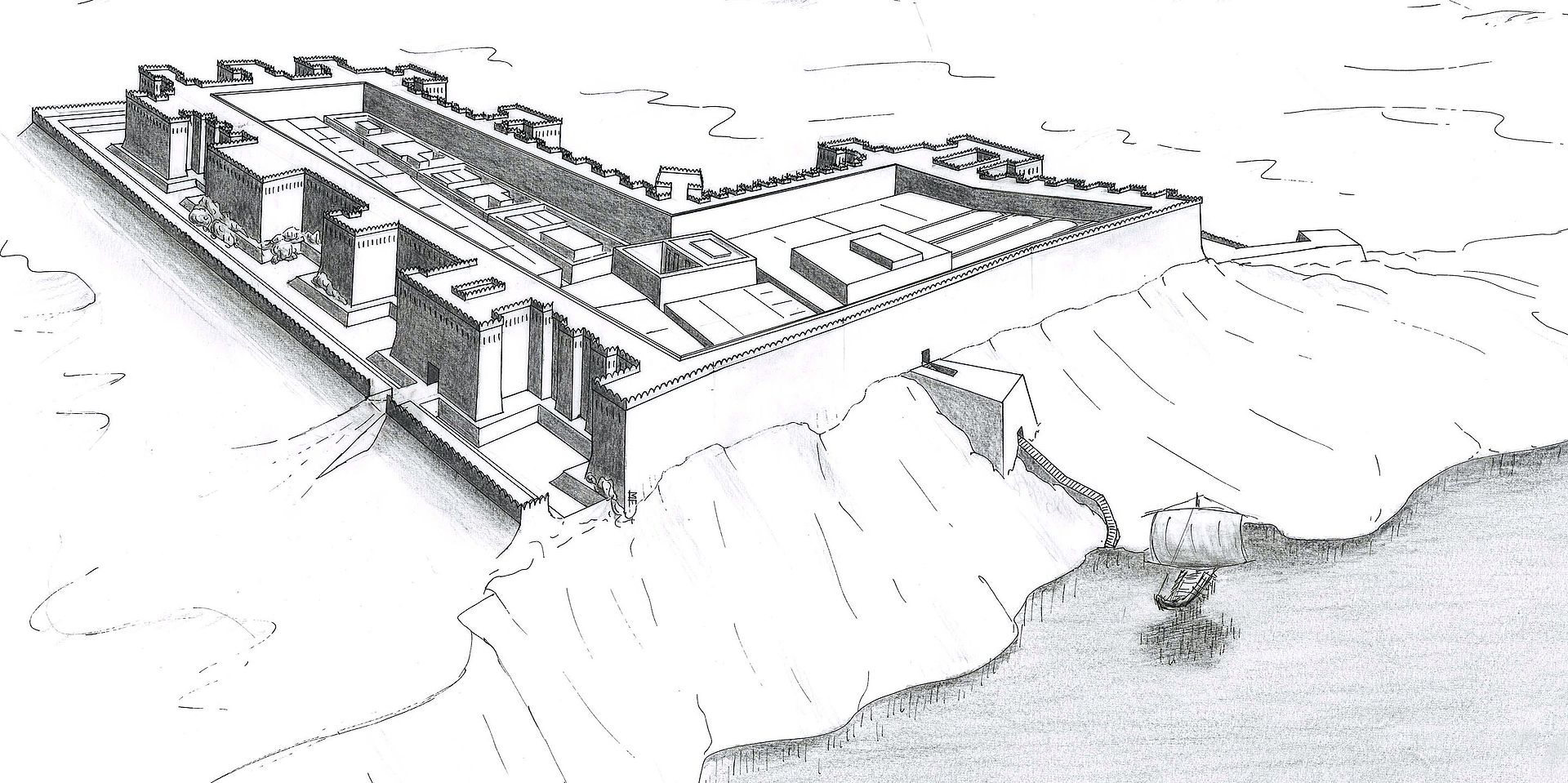
Massive L-shaped mudbrick fortress of 12th Dynasty Sesostris III (c.1878–1840 BCE), southernmost of four forts guarding the Semna Cataract narrows at the Egyptian-Nubian border (along with Kumma…
🇸🇩 Sudan · Pyramid
New Kingdom, 18th–19th Dynasty, ~1345 BCE · Ancient Egyptian (Amarna and Ramesside)
Akhenaten fortified temple-town on Nile west bank (c.1345 BCE), 200×100 m fortress with Aten temple.
🇸🇩 Sudan · Pyramid
New Kingdom (Akhenaten, c.1353–1336 BCE) with Ramesside reuse · Egyptian Amarna Period (Akhenaten) colonial
Akhenaten (Amenhotep IV) colonial temple-town (c.1350 BCE) with fortified enclosure 270×190 m, triple temple (Amun, Aten, western), columned hall, palace, and pyramidal elite tombs east.
🇸🇩 Sudan · Pyramid
Bronze Age, Classic Kerma (c.1750–1500 BCE, contemporary with Egyptian Second Intermediate Period–early New Kingdom) · Kerma culture (Nubian, Kingdom of Kush — pre-Napatan)
Tumulus KIII is among the largest royal tumuli in the Kerma Eastern and Western cemeteries capping the Kerma capital of the Dongola Reach (≈150 ha, oldest sub-Saharan city).
🇸🇩 Sudan · Pyramid
Late Napatan (330 BCE Nastasen, last Napatan king at Nuri) · Late Napatan Nastasen
Nuri Nastasen Nu.12 excavated by Dunham.
🇸🇩 Sudan · Pyramid
Kerma Classic to New Kingdom to Napatan (2500 BCE–750 BCE, plus later) · Kerma and Egyptian colonial (New Kingdom)
12 km Nubian Nile island with Kerma pyramids and New Kingdom pharaonic fortress (2500 BCE–Ottoman).